
How to Deep Clean Your BBQ
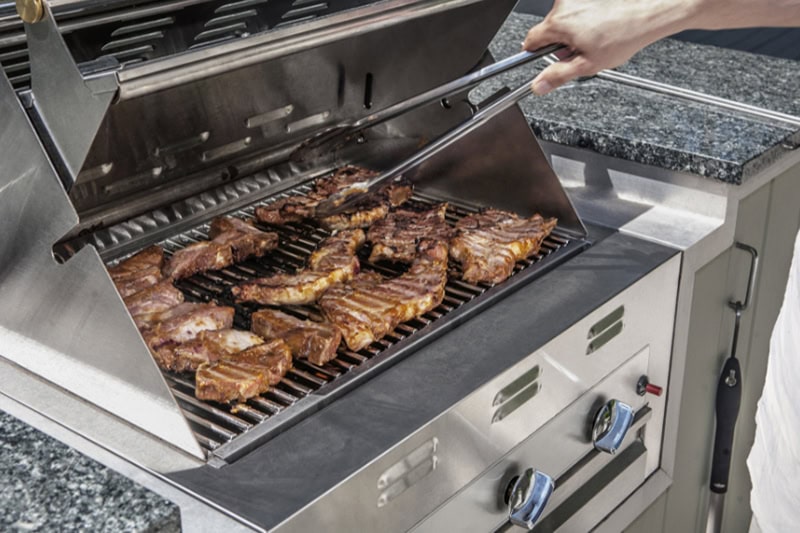
Whether you’re prepping for summer cookouts, fall tailgates, winter smoking sessions, or spring backyard dinners, a clean BBQ is the foundation of delicious flavor and safe cooking.
Even if you stick to lean cuts and tidy cooking, grease and drippings build up with use. Over time, this residue can ignite, cause uneven heating, and affect the flavor of your food. Giving your Napoleon grill a thorough scrub helps prevent flare-ups, maintains safe operation, and keeps every meal tasting exceptional.
With the right approach and a little elbow grease, you can revive your grill and keep it performing at its best season after season. In this guide, Kellermeier Plumbing & Heating will walk you through step-by-step tips to deep clean your BBQ like a pro.
What You’ll Need to Deep Clean Your BBQ Grill
- Two buckets: One wash bucket for sudsy water, one empty bucket to capture dirty runoff
- ⅜” (10mm) wrench: To remove burners.
- Spray bottle of water and vinegar: Fill with a 50/50 vinegar-water mix.
- Baking soda: Natural degreaser when combined with vinegar.
- Putty knife: Great for scraping baked-on grime.
- Soft cloths and scrub brush: Avoid microfiber—it can leave behind fibers.
- Dish soap and hot water: Sudsy and effective against grease. Mix a 1:2 ratio of soap to water into one of your buckets and in a sink.
- Stainless steel cleaner: For a great, final finish!
- Gloves: Protect those hands!
- Replacement drip pans and garbage bag: For a quick toss-and-replace.
- Venturi Tube Brush and JETFIRE™ Burner Brush Kit: These came with your Napoleon grill. An unbent paperclip and a tube brush can work in a pinch.
Step-by-Step: Deep Cleaning Your Napoleon BBQ
1. Start With a Cool Grill
Turn off the BBQ and gas supply. Disconnect and remove the propane tank if using one, then allow everything to cool completely.
2. Remove and Soak Grates and Sear Plates
Fill your sink or utility tub with warm, soapy water. Remove the grates and sear plates and let them soak while you tackle the interior.
Safety note: BBQ edges can be sharp—gloves are your friend.
3. Tackle the Inside
Remove burners using your wrench and set screws aside. Sprinkle baking soda inside, spritz with vinegar solution, and let it bubble for about 5 minutes. Scrape loosened residue with a putty knife, pushing debris into the drip tray.
Pull out the drip pan, scrape it clean, and empty it. Ideally, this is done every 4–5 cooks to prevent grease fires. Swap out disposable grease trays every 2–4 weeks for best results.
4. Scrub and Rinse
Replace the drip pan with your second, empty bucket to catch dirty water. Scrub the interior surfaces, burners, and drip pan using a sponge or cloth and your soapy, hot water. Leave everything open to air dry while you move to cleaning the grates.
Bad buildup? Dust with baking soda again and spray with your vinegar mix before scrubbing with soapy water.
5. Clean Grates and Burners
Return to your sink/utility tub and scrape sear plates and grates to remove stubborn debris.
Replace the sink water with fresh soapy water and scrub grates and sear plates clean. Remove control knobs and clean them and underneath for bonus deep-clean points.
Check burners for clogs and use your JETFIRE™ brush kit (or an unbent paperclip) to clear port holes. Run the Venturi tube brush through burners to clean out debris and spider nests.
Fun fact: Spiders love burner tubes, which is why cleaning them periodically is crucial.
6. Reassemble and Check Connections
Reinstall burners securely. Reconnect propane if applicable and perform a quick leak test. Remove the dirty water bucket and slide your drip pan back in with a fresh disposable tray—good as new!
7. Shine the Exterior
Refill your wash bucket with lightly soapy water. Wipe the exterior using a soft cloth, following the grain of the stainless steel. Go gentle on the control panel—printed labels can wear off.
Once clean, polish with stainless steel cleaner for a showroom finish.
8. Burn Off and Re-Season
Fire up the grill on high for 30–45 minutes to burn off any leftover cleaner/soap residue. If you have cast iron grates, now’s the perfect moment to re-season them for long-lasting performance.
Grill Cleaning FAQs
How often should I clean my grill?
You should do a wipe down and grate cleaning of your grill after every use to minimize buildup and aim for a full deep clean twice annually.
What removes stubborn grill buildup?
Soak grates in warm, soapy water, scrub with a grill brush or stone. For tough spots, you can sprinkle with baking soda and spritz with vinegar (or a vinegar-water mix) for a natural degreaser or use a commercial BBQ cleaner. You can also heat the grill and scrape buildup once the heat softens it up—just be careful to avoid burning yourself.
What’s the best way to clean inside my BBQ?
Mild dish soap and warm water are great for general cleaning. Heavy buildup may require a degreaser, baking soda/vinegar, or a designated BBQ cleaner.
How do I make my BBQ look brand new again?
Deep clean all components, polish stainless steel, replace worn drip pans, fix damaged parts, and maintain regular cleaning—consistency is key to a fresh-looking grill.
Keep Your BBQ Grill-Ready Year Round
A deep-cleaned BBQ doesn’t just look better—it cooks better, tastes better, and lasts longer. With a little routine maintenance and a seasonal deep clean, you’ll enjoy safer grilling, fewer flare-ups, and richer flavor in every meal.
No matter the time of year, taking care of your grill ensures it’s always ready for the next round of burgers, steaks, or veggies. Fire it up, keep it clean, and enjoy the rewards of a well-tended BBQ all year long.
Contact Kellermeier Plumbing & Heating for more grill tips, replacement parts, or to upgrade your grilling experience. Call 833-334-6824, request service online, or stop by our showroom!